 A4M
A4M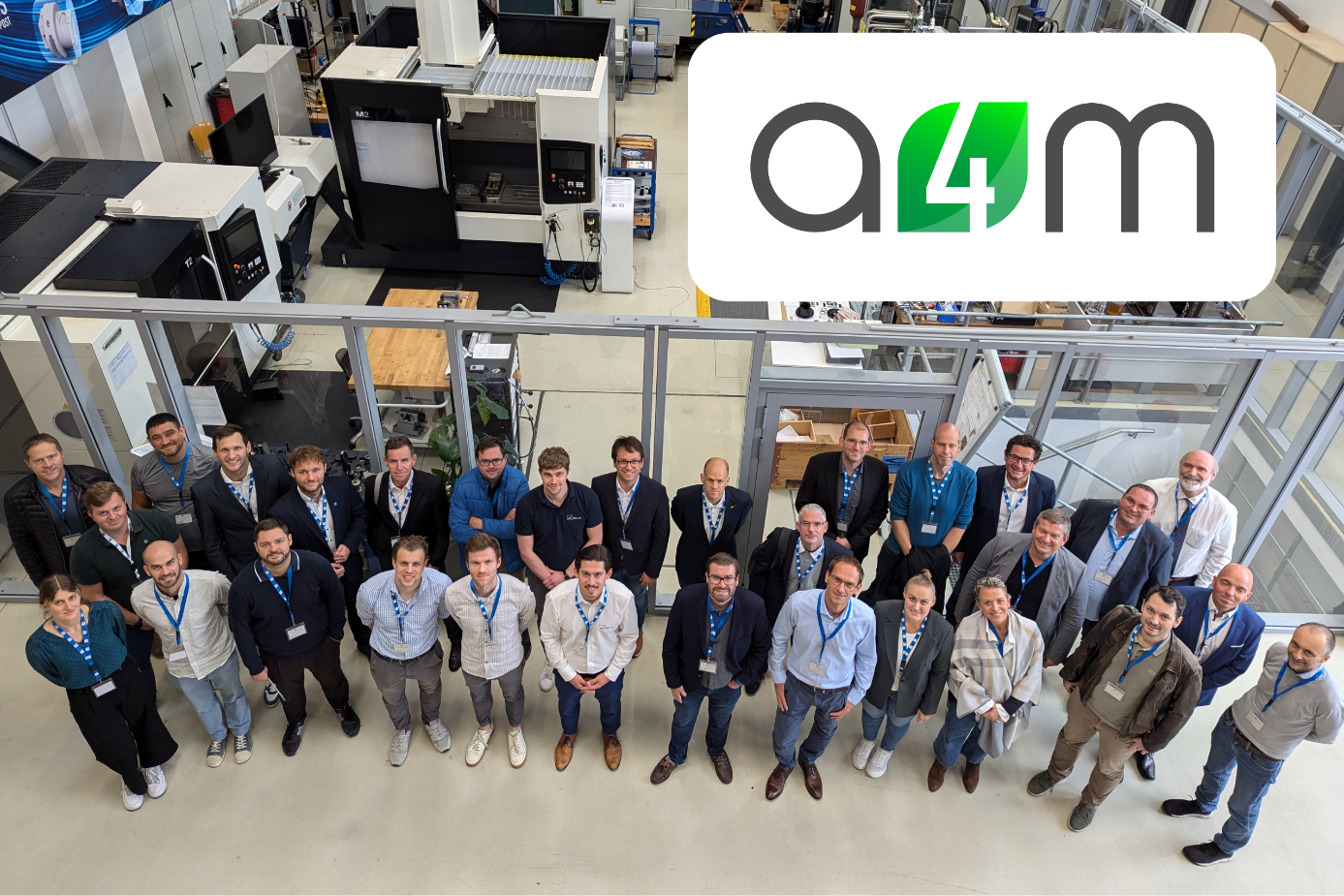
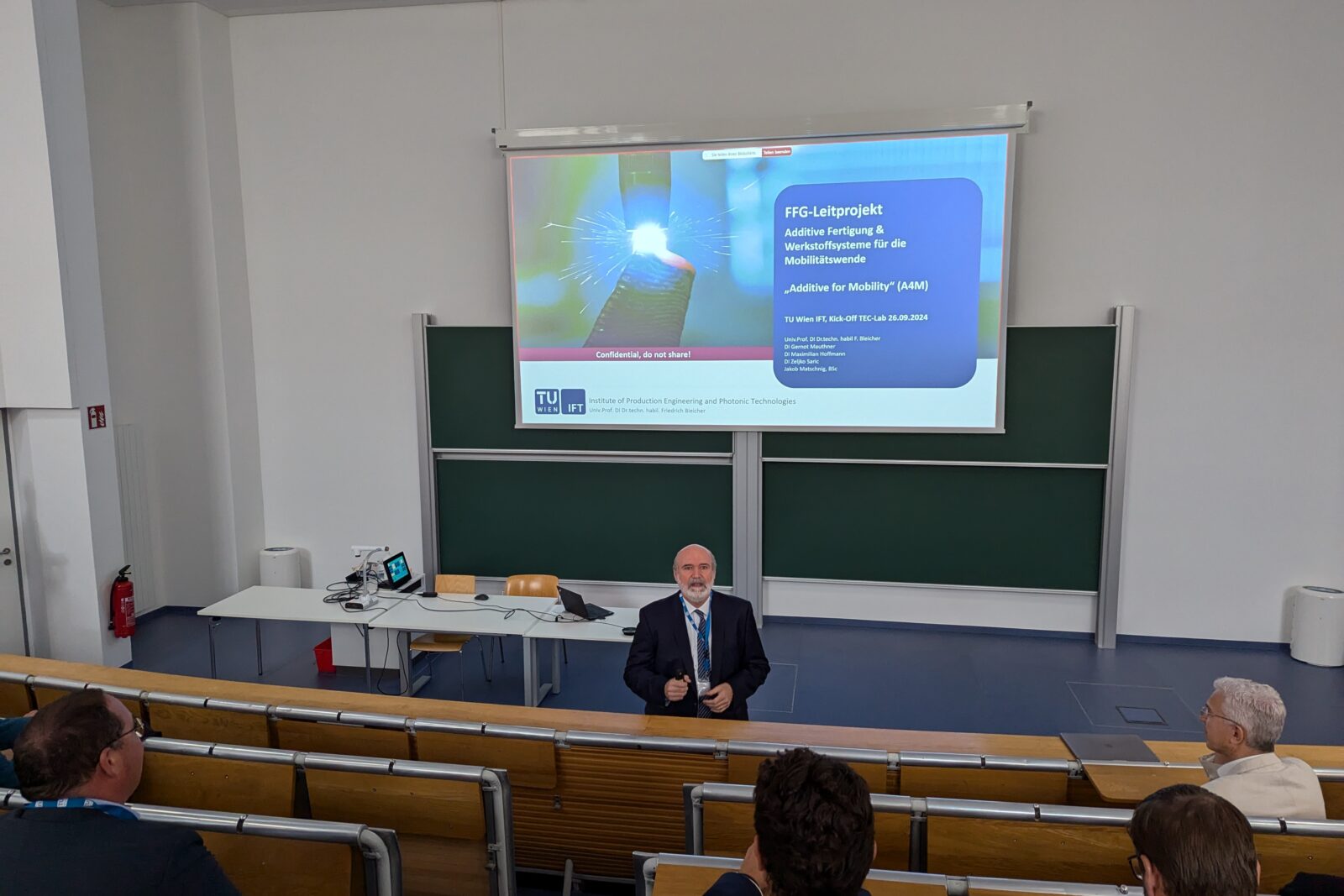
At the end of September, the new FFG-funded flagship project “Additive for Mobility” (A4M) was launched, with the aim of revolutionizing the mobility sector through innovative additive manufacturing technologies!
In today’s dynamic market, the mobility transition is crucial for a sustainable future, as mobility relies heavily on fossil resources for the operation of vehicles, aircraft, ships, and trains. To reduce the associated greenhouse gas emissions, various alternative technologies for future-oriented mobility are currently being developed.
Over the next four years, the A4M consortium will work on developing a novel additive process chain that offers new possibilities for flexible, resilient, and sustainable series production of key components in the automotive, aerospace, and railway industries.
Led by the Institute of Manufacturing Technology and Photonic Technologies at TU Wien, this flagship project brings together industry leaders from across Austria:
- Technical University of Vienna – Institute of Manufacturing Technology and Photonic Technologies
- BMW Motoren GmbH
- EIT Manufacturing East GmbH
- Fill GmbH
- Fraunhofer Institute for Foundry, Composite, and Processing Technology IGCV
- Friedrich Deutsch Metallwerk GmbH
- Global Hydro Energy GmbH
- igm Robot Systems AG
- MAGNA Metalforming GmbH
- ModuleWorks GmbH
- RECENDT – Research Center for Non-Destructive Testing GmbH
- Rechenraum GmbH
- RHP-Technology GmbH
- SBI GmbH
- TEST-FUCHS Aerospace Systems GmbH
- Vienna University of Technology – Institute of Materials Science and Materials Technology
- voestalpine Giesserei Linz GmbH
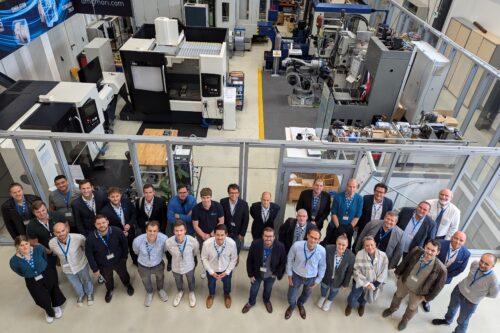
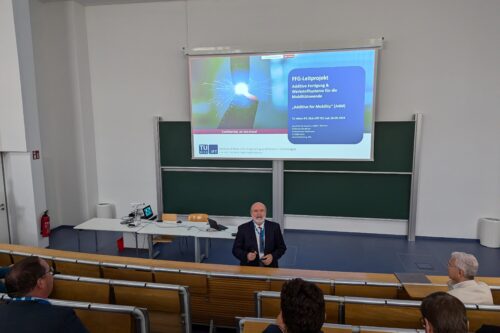
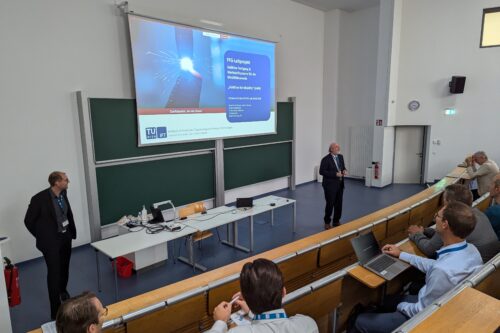
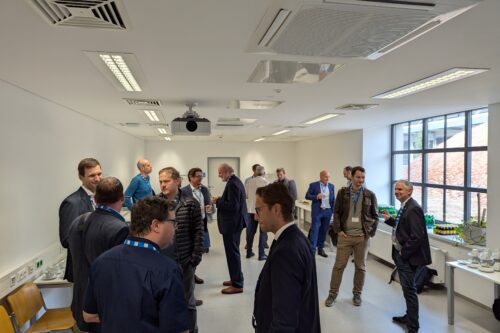
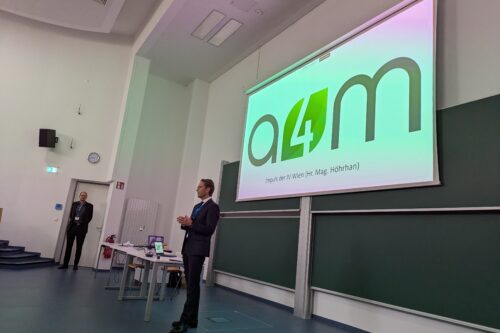
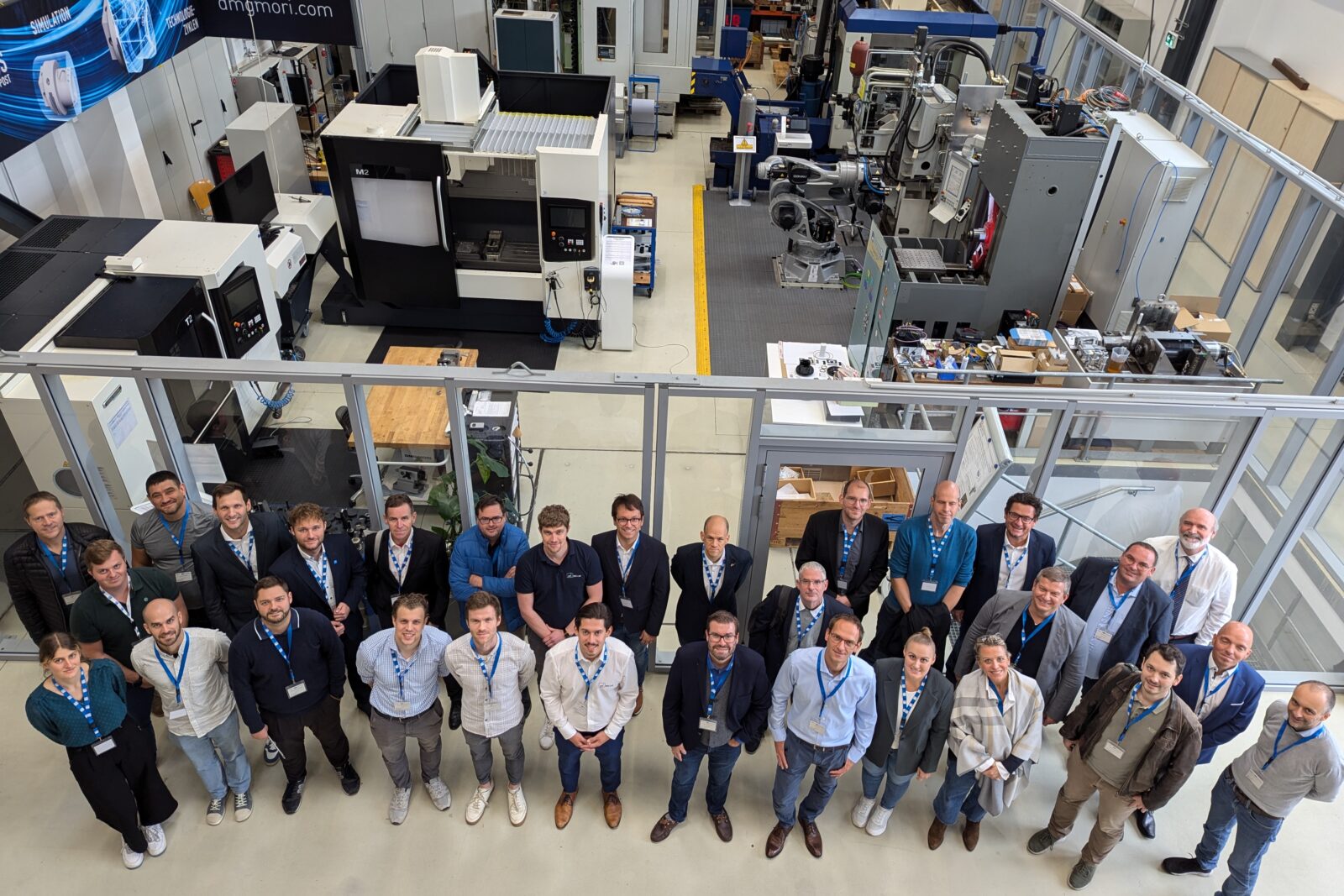
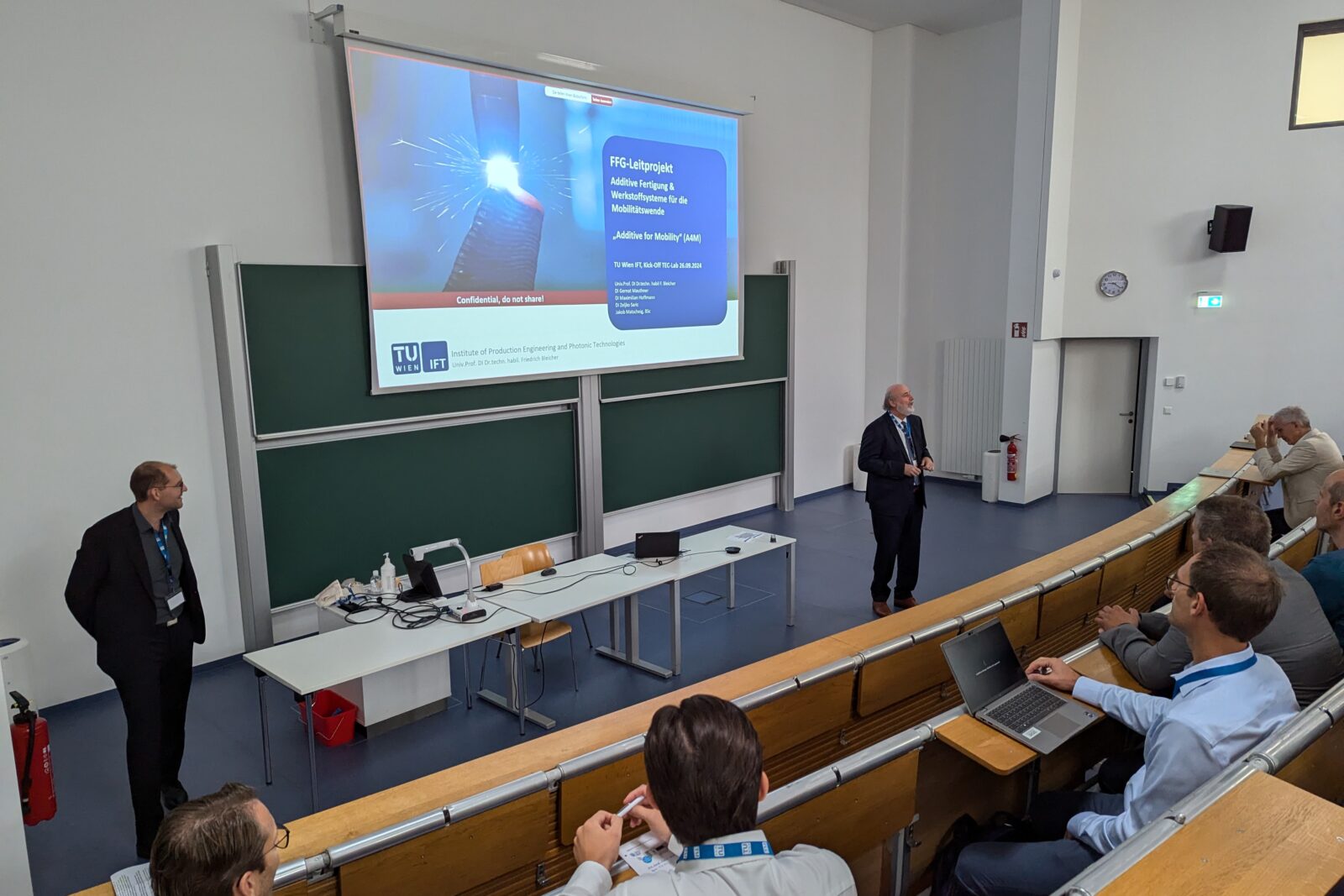
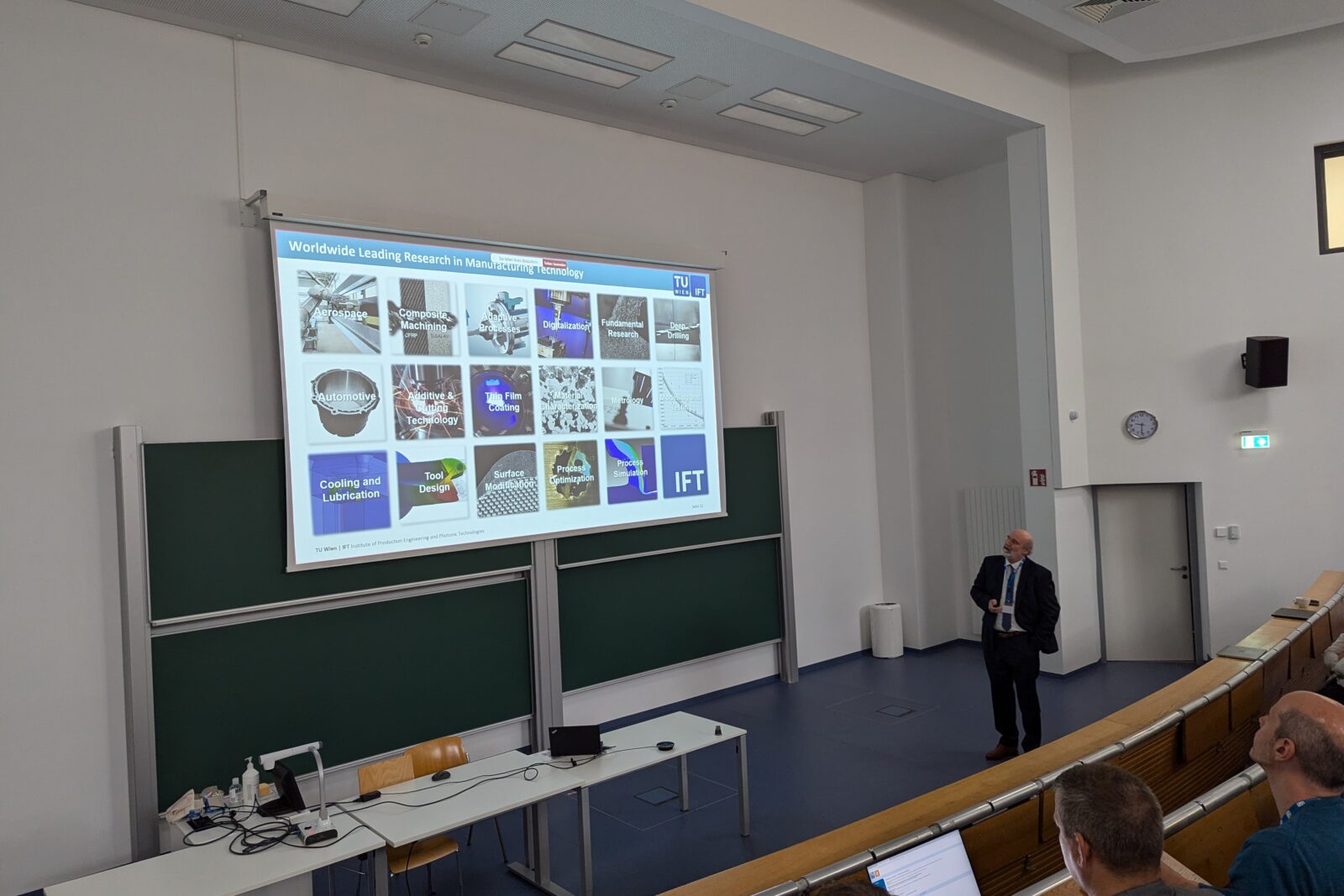
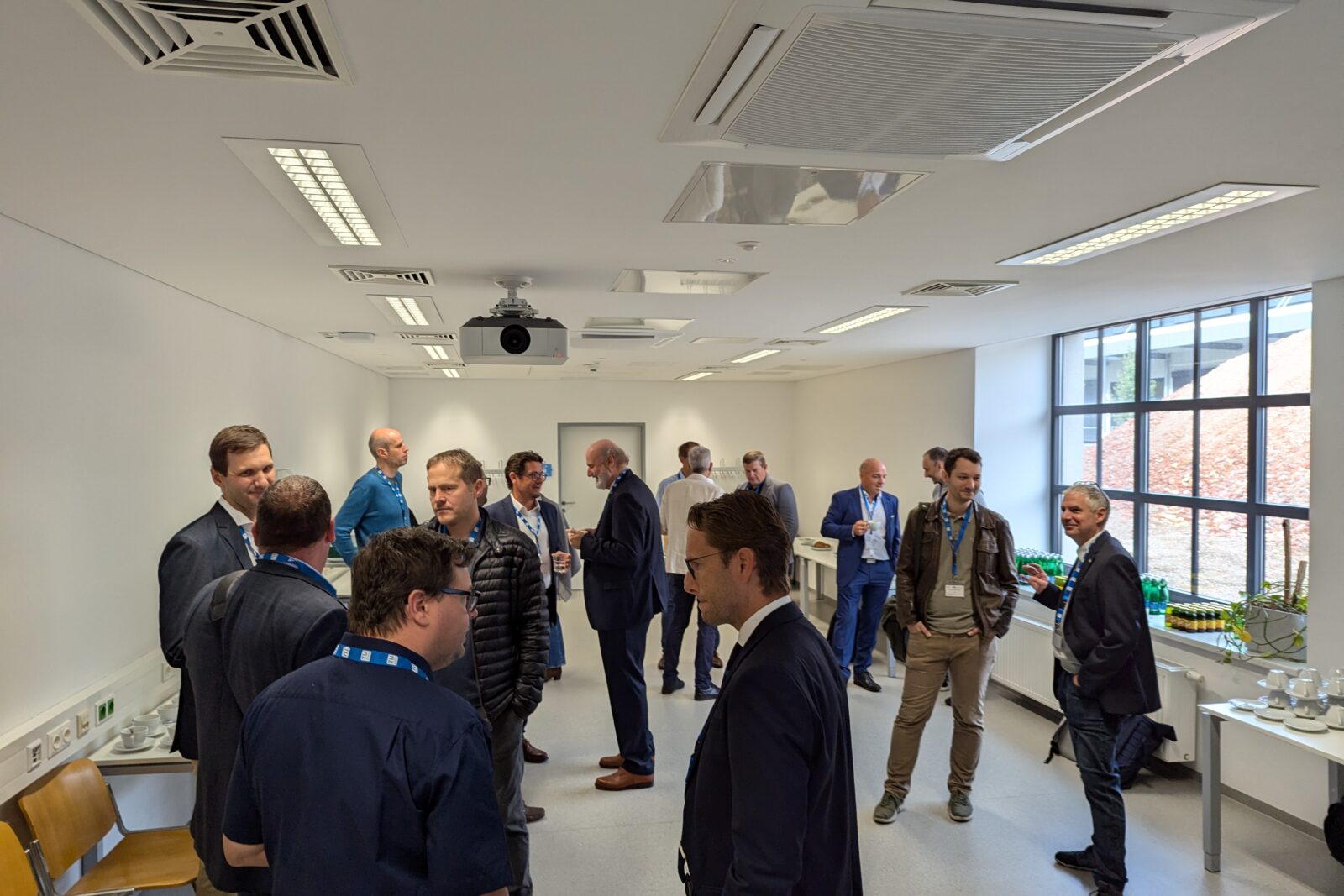
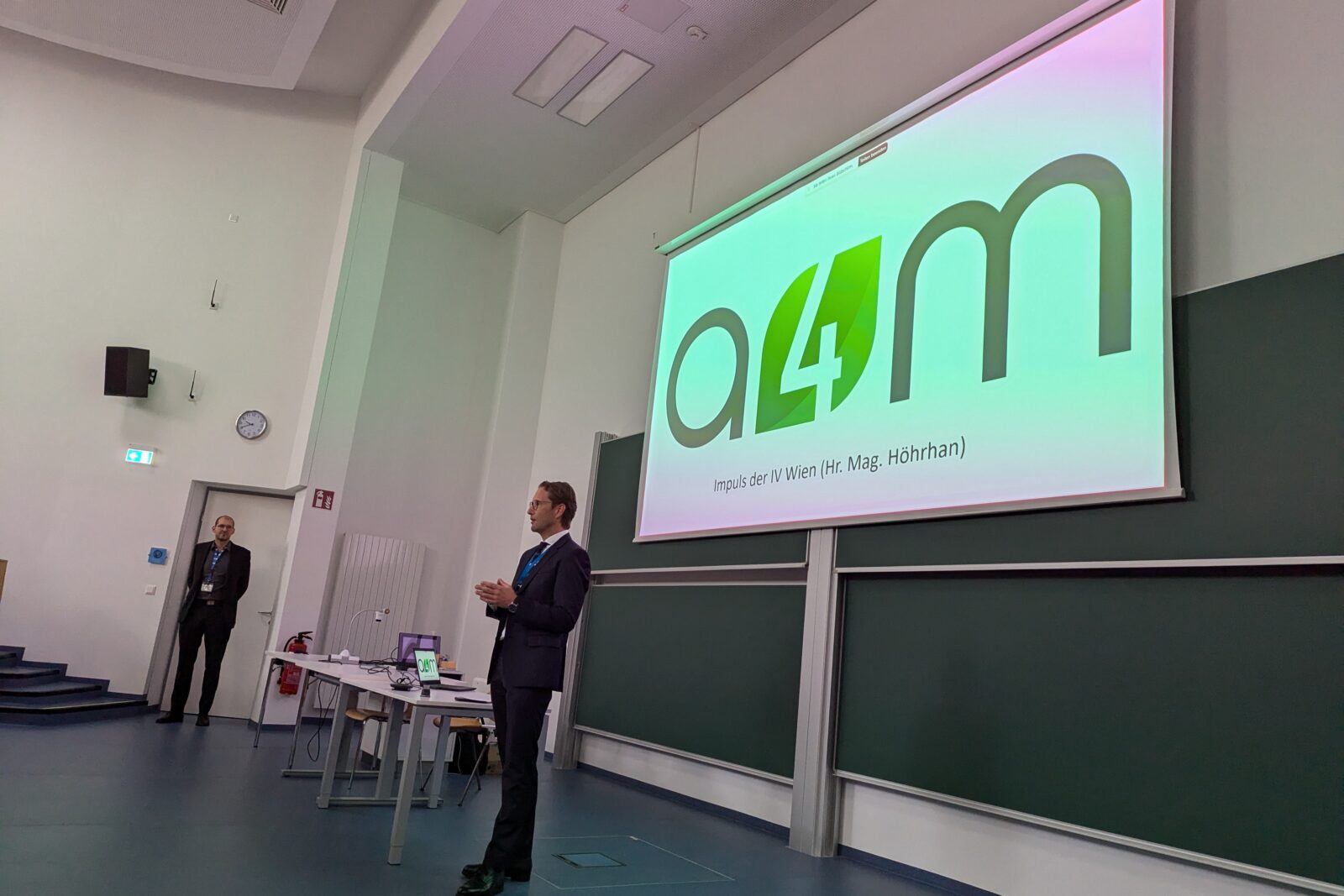
The project kicked off at the end of September 2024 at the TEC-Lab of the IFT at TU Wien, where all project partners met for the first time.
The goal of the A4M project is to develop a flexible and resilient manufacturing system consisting of novel additive technologies such as 3D sand printing (for complex castings) and wire-based additive manufacturing (e.g., Wire Arc Additive Manufacturing, WAAM). When additive technologies are considered separately and in isolation from conventional manufacturing processes, various technical and economic constraints prevent the further industrialization of these promising technologies. By integrating their strengths, a novel manufacturing system can be created that best supports the current demands of the global mobility transition.
We look forward to a fruitful collaboration with all project partners and are eager to see the results that will emerge from this project.